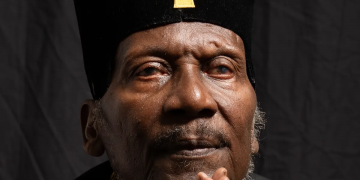






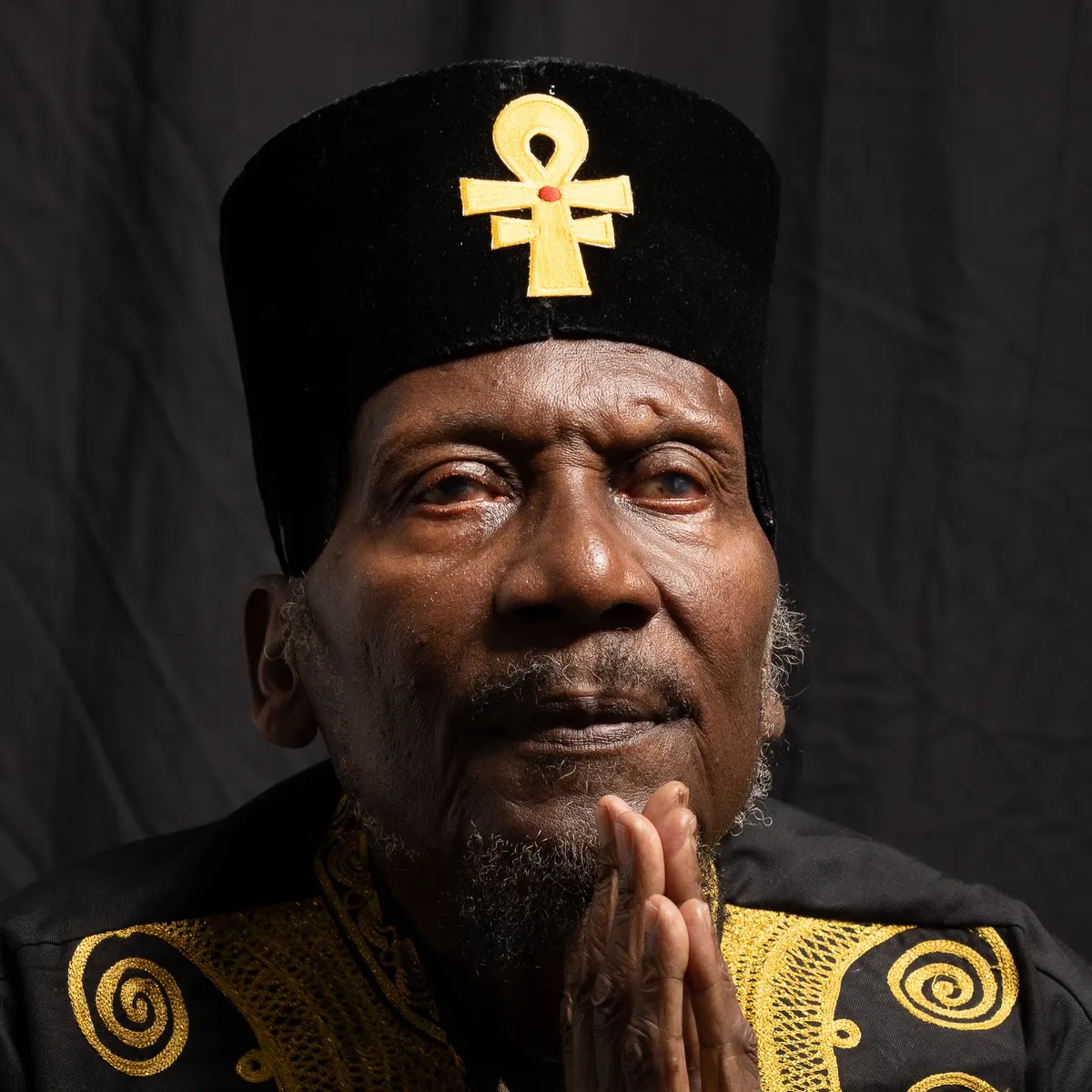
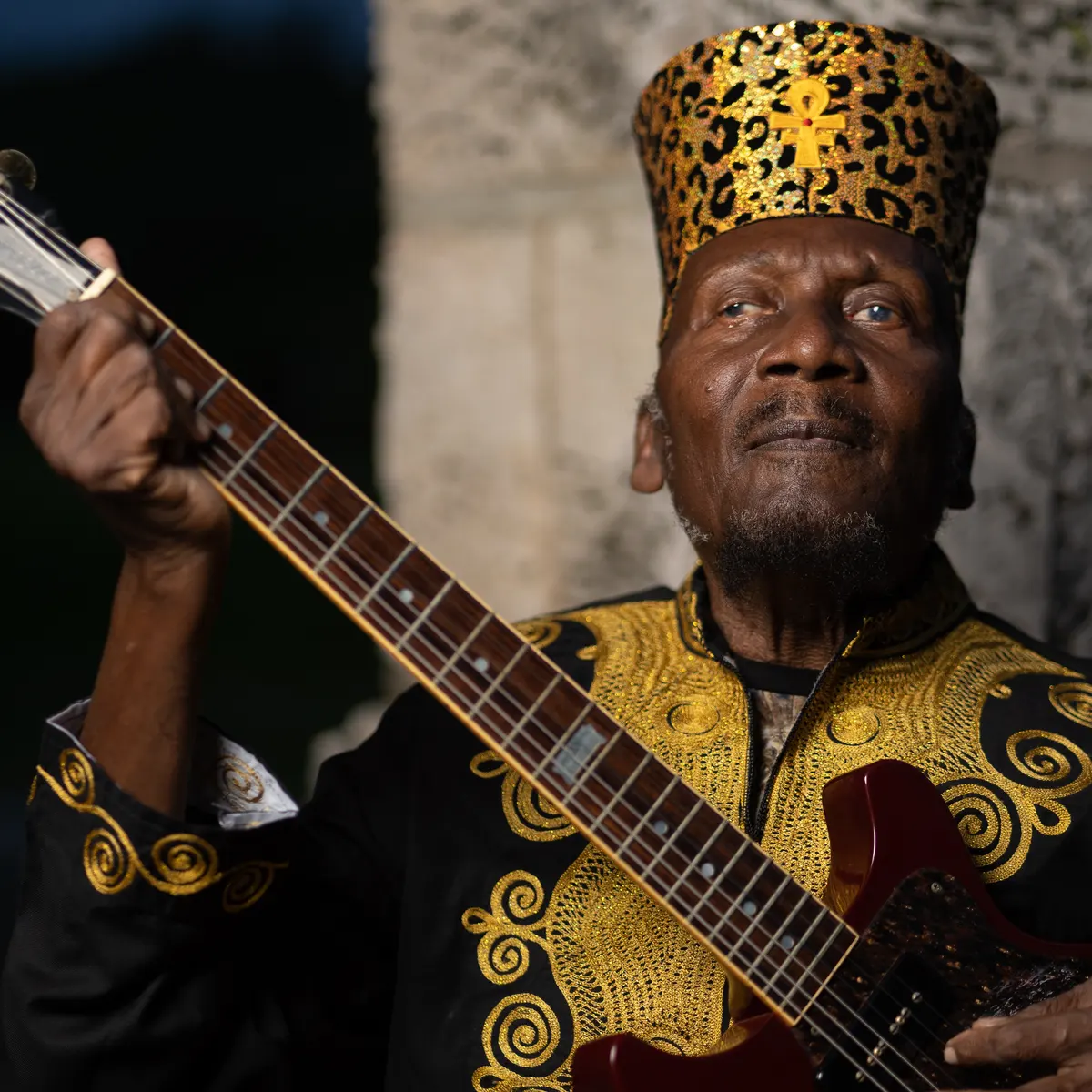
When the news broke on November 24, 2025 that James Chambers, known to the world as Jimmy Cliff—had passed away, an unmistakable stillness fell over Jamaica and the global reggae community. Cliff, who was born July 30, 1944 in Somerton, St. James, was more than a superstar. He was a bridge between Jamaica and the world, a voice of defiance and hope, and one of the fiercest cultural ambassadors the island has ever produced. His passing marks the end of a monumental chapter in music history, yet his legacy remains as vibrant and unshakable as the rhythms he gifted us.
Cliff grew up surrounded by music, first discovering his voice in church before shaping his early sound in the ska and rocksteady era. By the age of 17, he had written and recorded “Hurricane Hattie,” launching a career that would alter the trajectory of Jamaican music. Legendary producer Leslie Kong recognized the young artist’s potential and brought him onto the Beverly’s Records label, producing hits like “Miss Jamaica,”, “King of Kings,” and “One-Eyed Jacks.” But this was only the beginning.
The world met Jimmy Cliff in 1972 through The Harder They Come, a film that not only immortalized his image but cemented his role as reggae’s first true global star. Cliff’s portrayal of Ivanhoe “Ivan” Martin, paired with a soundtrack featuring “The Harder They Come,” “You Can Get It If You Really Want,” and “Many Rivers to Cross,” introduced reggae to international audiences long before Bob Marley carried the baton forward. Cliff didn’t just entertain, he shifted the cultural landscape.
Throughout the decades, Cliff’s music remained a soundtrack for resistance, resilience, and renewal. Songs like “Vietnam” made him one of the first reggae artists to speak directly to global politics, inspiring even Bob Dylan, who once called it “the greatest protest song ever written.” His voice carried the eternal message of possibility, reminding generations: “You can get it if you really want, but you must try.”
Though known primarily for music, Cliff’s artistic reach extended beyond the studio. His acting in The Harder They Come, Club Paradise, and Marked for Death reflected his natural charisma and cultural fluency. His achievements were formally recognized when he received Jamaica’s Order of Merit in 2003 and became one of the rare reggae artists inducted into the Rock and Roll Hall of Fame in 2010.
Even as his awards accumulated, including two Grammy wins, Jimmy Cliff remained humble. “I’m just a humble servant of the music,” he once said. “I’m here to serve the music, and the music is here to serve the people.” That philosophy defined him. Cliff was never just performing, he was healing, teaching, challenging, and uplifting.
His humanitarian work, advocating for education, supporting youth, and fighting poverty, was as integral to his identity as his music. And his songs became global standards, covered by artists from Bruce Springsteen to Cher to The Clash. His voice traveled far, but it always carried the unmistakable cadence of Jamaica.
Today, as Jamaica rebuilds from hurricanes, as inequality persists, as communities search for hope, Cliff’s music remains a lighthouse. Many Rivers to Cross, once a personal lament, is now an anthem of endurance for millions. The Harder They Come is still the rallying cry for those pushed to the margins. You Can Get It If You Really Want continues to inspire dreamers everywhere.
Jimmy Cliff may be gone, but his voice, bold, pure, and prophetic, will never fade. He opened doors for reggae, lifted Jamaica onto the world stage, and taught us that struggle and joy can live inside the same song. His life was a testament to courage; his art, a gift without expiration.
We can see clearly now: his legacy is forever.
Jimmy Cliff’s Enduring Impact – Things to Know
- Helped introduce reggae to international audiences and became its first global film and music ambassador.
- Breakthrough hit “Wonderful World, Beautiful People” (1969) charted internationally.
- Starred in the landmark Jamaican film The Harder They Come (1972), which transformed the global perception of reggae and Jamaican culture.
- Awarded Jamaica’s Order of Merit in 2003 for outstanding contributions to music and film.
- Inducted into the Rock and Roll Hall of Fame in 2010.
- Received 7 Grammy nominations with 2 wins for Best Reggae Album.
- Collaborated with major artists including The Rolling Stones, Elvis Costello, and Annie Lennox.
- Known for humanitarian work focused on poverty alleviation and education in Jamaica.
- His catalog has been covered by artists across genres, from Bruce Springsteen to Cher to The Clash—a testament to his universal reach.